
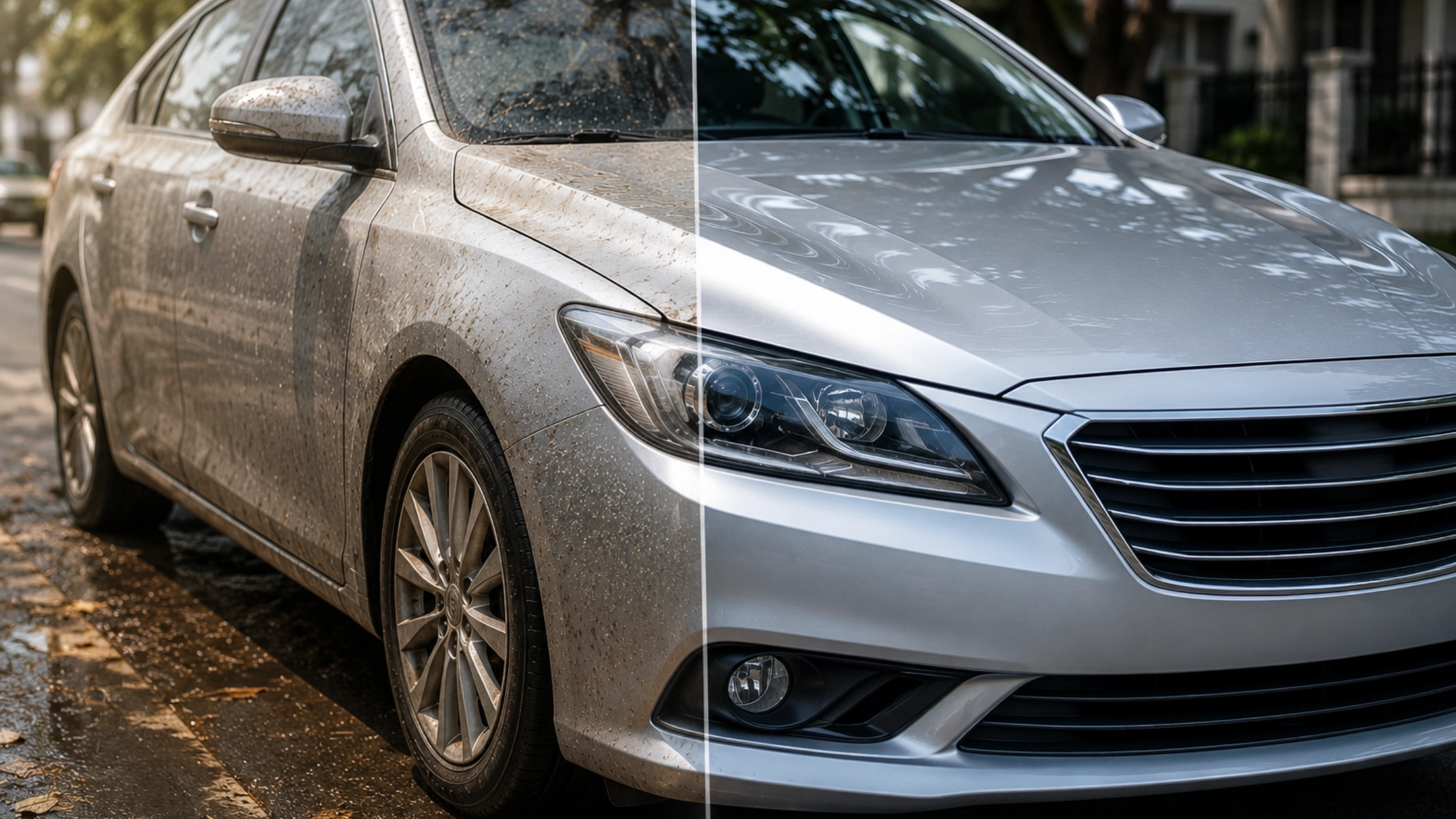
Every car owner loves the feeling of driving a clean, shiny vehicle. A glossy finish not only enhances the appearance of a car but also reflects how well it is maintained. However, many people are unaware that their vehicle faces constant threats every single day. These threats are often invisible, making them difficult to notice until significant damage has already occurred.
At 3M Car Care Studio Bangalore, we frequently meet vehicle owners who wonder why their car no longer has the same shine it had when it was new. In many cases, the damage is not caused by a major accident or neglect. Instead, it is the result of small environmental factors that gradually affect the paint and exterior surfaces over time.
Your car is exposed to sunlight, dust, pollution, moisture, road debris, and various contaminants every day. These elements work silently in the background, slowly reducing the gloss and protection of your vehicle's finish. Without proper care, even a relatively new car can begin to look older than expected.
Many car owners focus on seasonal maintenance and search for guides such as 10 Monsoon car care tips to protect their vehicles during rainy weather. While seasonal care is important, there are several year-round threats that can impact your car's appearance if left unchecked.
Why Your Car's Shine Matters
A shiny car is more than just visually appealing. The condition of your vehicle's paint affects its overall value, resale potential, and long-term durability.
The glossy finish you see on a vehicle comes from the clear coat, which acts as a protective layer above the paint. When this layer is damaged, the vehicle begins to lose its shine and becomes more vulnerable to environmental factors.
Protecting the clear coat is essential if you want your car to maintain its fresh, showroom-like appearance for years.
Enemy 1: UV Rays
One of the biggest threats to your vehicle's shine is ultraviolet radiation from the sun.
UV rays continuously attack the paint surface, causing oxidation and fading. This process happens gradually, making it difficult to notice until the damage becomes significant.
Vehicles that spend long hours parked outdoors often show signs of fading much sooner than those kept in covered parking areas. Over time, the paint may appear dull and lifeless due to constant exposure to sunlight.
Enemy 2: Air Pollution
Modern cities contain high levels of pollution that settle on vehicle surfaces daily.
Industrial emissions, dust particles, vehicle exhaust, and airborne chemicals create a layer of contamination that affects the paint. If these pollutants remain on the surface for extended periods, they can bond with the clear coat and contribute to long-term damage.
Regular cleaning helps remove contaminants, but additional protection is often necessary to prevent their effects.
Enemy 3: Bird Droppings
Bird droppings may seem harmless, but they are surprisingly destructive.
They contain acidic substances that can quickly damage automotive paint. If not removed promptly, they may etch into the clear coat and leave permanent marks.
Even a single bird dropping left on a vehicle for several days can create noticeable paint defects. Immediate cleaning is the best way to prevent damage.
Enemy 4: Tree Sap
Parking under trees provides shade, but it also exposes vehicles to tree sap.
Tree sap can stick firmly to the paint surface and become difficult to remove. As it hardens, it may bond with the clear coat and leave stains or marks behind.
Many vehicle owners underestimate the damage tree sap can cause until they attempt to remove it and discover permanent imperfections.
Enemy 5: Road Debris
Every drive exposes your vehicle to countless small particles.
Dust, gravel, sand, and tiny stones constantly strike the paint while driving. Although these impacts may seem minor, they gradually wear down the protective surface.
Front bumpers, hoods, mirrors, and lower panels are especially vulnerable to road debris because they receive the most direct exposure.
Enemy 6: Hard Water Spots
Water may appear harmless, but mineral deposits left behind after water evaporates can create stubborn spots.
Hard water contains minerals that can leave visible marks on the paint and glass. If these deposits remain for too long, they may become difficult to remove without professional treatment.
Regular drying after washing can help minimize water spot formation.
Enemy 7: Improper Washing Techniques
Many car owners unknowingly damage their paint while trying to keep it clean.
Using dirty wash mitts, rough cloths, or harsh cleaning products can introduce swirl marks and scratches. Automatic brushes can also contribute to paint imperfections if not properly maintained.
Improper washing is one of the most common causes of reduced paint clarity and shine.
Enemy 8: Industrial Fallout
Industrial fallout refers to tiny metal particles released from factories, railways, and vehicle braking systems.
These particles can settle on your vehicle and embed themselves into the paint surface. Over time, they may cause oxidation and roughness that affect both appearance and protection.
Professional decontamination treatments are often required to remove embedded particles safely.
Enemy 9: Neglecting Paint Protection
One of the biggest mistakes vehicle owners make is failing to protect their paint.
Without a protective layer, the vehicle remains exposed to all the environmental threats mentioned above. Paint protection products help create a barrier that reduces contamination and makes maintenance easier.
When researching paint protection solutions, many vehicle owners come across articles discussing 5 mistakes to avoid before getting ceramic coating because proper preparation is crucial for achieving the best possible results.
Enemy 10: Temperature Changes
Extreme temperature fluctuations place stress on vehicle surfaces.
Heat causes materials to expand, while cooler temperatures cause contraction. Repeated expansion and contraction can gradually affect paint, trim, and other exterior components.
This process is especially noticeable in regions that experience intense heat during certain parts of the year.
How to Protect Your Car's Shine
Fortunately, there are several ways to defend your vehicle against these invisible enemies.
Wash Regularly
Routine washing helps remove contaminants before they can damage the paint.
Park in Covered Areas
Whenever possible, use covered parking to reduce exposure to sunlight and environmental contaminants.
Remove Contaminants Quickly
Bird droppings, tree sap, and other harmful substances should be removed as soon as possible.
Use Quality Cleaning Products
Proper automotive cleaning products are designed to clean safely without damaging the paint.
Invest in Professional Protection
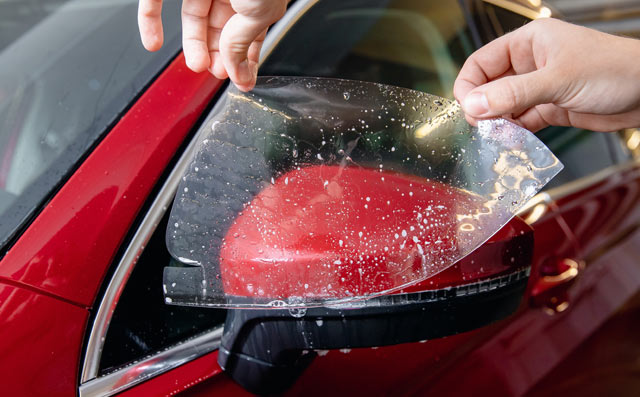
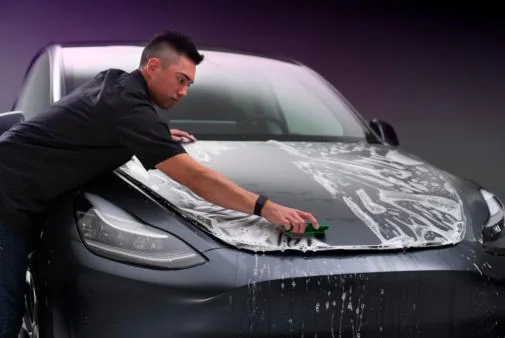
Protective coatings and films help create a durable barrier against environmental damage and simplify maintenance.
The Importance of Professional Vehicle Care
While basic maintenance can help preserve a vehicle's appearance, professional care offers a higher level of protection.
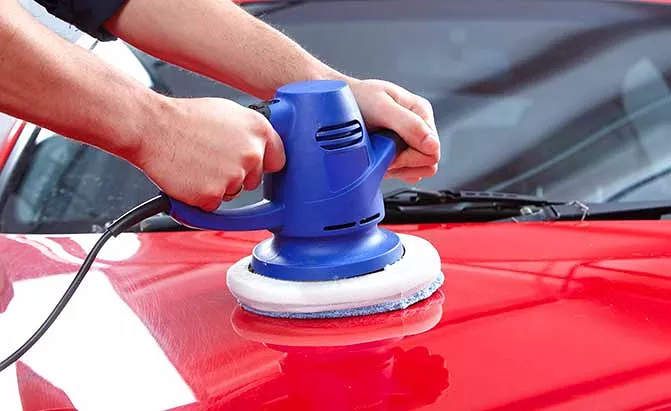
Experts use specialized equipment and techniques to clean, restore, and protect vehicle surfaces. Professional treatments can remove contaminants, enhance gloss, and provide long-lasting protection against daily wear.
Many vehicle owners looking for the best car care studio in Bangalore understand the value of expert services when it comes to maintaining a vehicle's appearance and preserving its value.
FAQs
- What are the biggest factors that damage a car's shine?
The most common factors include UV rays, air pollution, bird droppings, tree sap, road debris, hard water spots, and improper washing techniques. These can gradually reduce the gloss and protection of your vehicle's paint.
- How can I protect my car's paint from environmental damage?
Regular washing, prompt removal of contaminants, covered parking, and professional paint protection solutions can help preserve your car's finish and maintain its shine.
- Are bird droppings really harmful to car paint?
Yes. Bird droppings contain acidic substances that can quickly etch into the clear coat and leave permanent marks if they are not removed promptly.
- Why does my car lose its shine even though I wash it regularly?
Washing removes dirt, but factors like UV exposure, pollution, hard water deposits, and lack of paint protection can still affect the paint over time. Proper protection is essential for maintaining long-term gloss.
- How often should I get professional car detailing?
Most experts recommend professional detailing every 4 to 6 months, depending on driving conditions and vehicle usage. Regular detailing helps remove contaminants and keeps the paint looking fresh and protected.
Conclusion
Your car faces invisible threats every day, from UV rays and pollution to bird droppings, road debris, and temperature changes. These factors work silently over time, gradually reducing the shine and protection of your vehicle's exterior.
At 3M Car Care Studio Bangalore, we believe that awareness is the first step toward effective vehicle protection. Understanding the causes of paint deterioration allows owners to take proactive measures before significant damage occurs.
With regular maintenance, proper cleaning techniques, and professional protection solutions, you can help your vehicle maintain its gloss and appearance for years. 3M Car Care Studio Bangalore focuses on providing reliable care that protects vehicles from everyday environmental challenges.
For drivers who want long-lasting shine and professional-grade protection, 3M Car Care Studio Bangalore continues to offer solutions designed to keep vehicles looking their best no matter what the road brings.
 +91 7353 60 5566
