
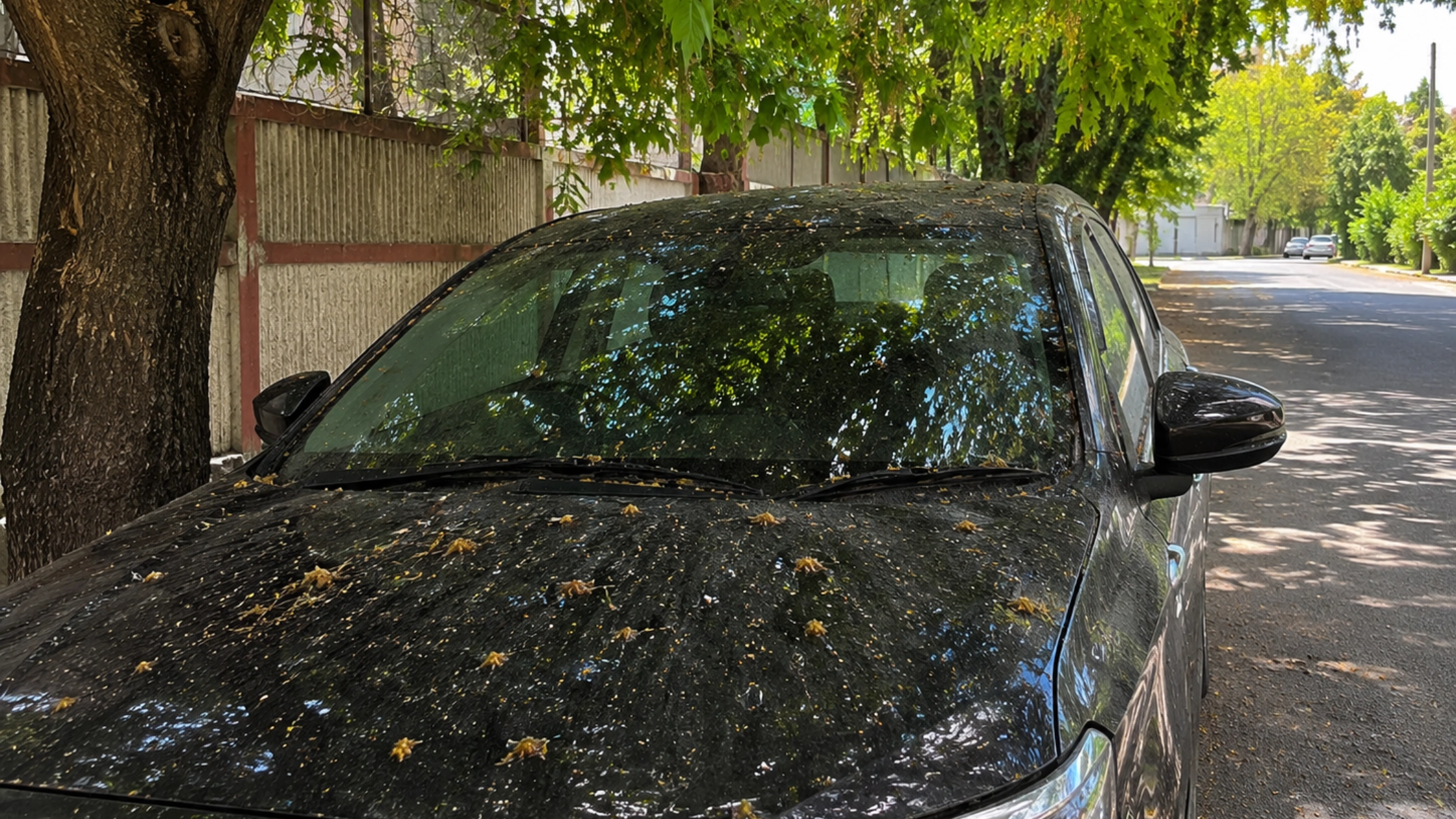
Keeping your car looking clean and shiny is not always easy, especially in a busy city like Bangalore. Many vehicle owners park under trees to protect their cars from direct sunlight and heat. While this may seem like a smart choice, it often creates another problem that many drivers overlook—tree sap damage.
At 3M Car Care Studio Bangalore, we regularly see vehicles affected by tree sap stains that have been left untreated for days or even weeks. What starts as a small sticky spot can eventually become a stubborn stain that damages the paint surface and reduces the overall appearance of the vehicle.
Tree sap may appear harmless at first, but it contains natural compounds that can bond strongly with automotive paint. If not removed properly, it can harden over time and leave permanent marks on the clear coat. Understanding how tree sap affects your vehicle is the first step toward protecting your investment.
Just as vehicle owners research the benefits of installing nomad floor mats in your car to improve interior protection, it is equally important to learn how to protect your vehicle's exterior from environmental threats like tree sap.
What Is Tree Sap?
Tree sap is a sticky liquid produced by trees to transport nutrients and water throughout their structure. While it plays an important role in the life of a tree, it can become a serious problem when it lands on a vehicle.
Sap can drip from branches, especially during hot weather or certain seasons. Once it falls onto a car's surface, it begins to stick firmly to the paint, glass, and trim.
Because of its sticky nature, tree sap easily attracts dust, dirt, and other contaminants, making the affected area even more difficult to clean.
Why Tree Sap Is Dangerous for Your Car
Many people assume that tree sap is simply an inconvenience that can be washed away later. Unfortunately, this is not always true.
When tree sap remains on a vehicle for an extended period, it can:
-
● Damage the clear coat
● Leave permanent stains
● Reduce paint gloss
● Cause discoloration
● Attract dirt and pollutants
● Increase the need for paint correction
The longer the sap stays on the surface, the more difficult it becomes to remove safely.
Why Bangalore Drivers Face This Problem Frequently
Bangalore is known for its beautiful tree-lined roads and green neighborhoods. Areas such as Indiranagar, Jayanagar, Koramangala, Malleshwaram, and Whitefield have large trees that provide valuable shade.
While shaded parking helps reduce cabin temperatures, it also increases the chances of sap falling onto vehicles. Many drivers leave their cars parked under trees for several hours every day, allowing sap to accumulate unnoticed.
Combined with Bangalore's warm weather and dust levels, tree sap can become even more problematic if not addressed quickly.
How Tree Sap Damages Paint
Modern vehicle paint consists of multiple layers, including a clear protective coat. This clear coat helps maintain gloss and protects the color underneath.
When tree sap lands on the surface, it begins to interact with the clear coat. Heat from the sun can accelerate this process, causing the sap to harden and bond more strongly with the paint.
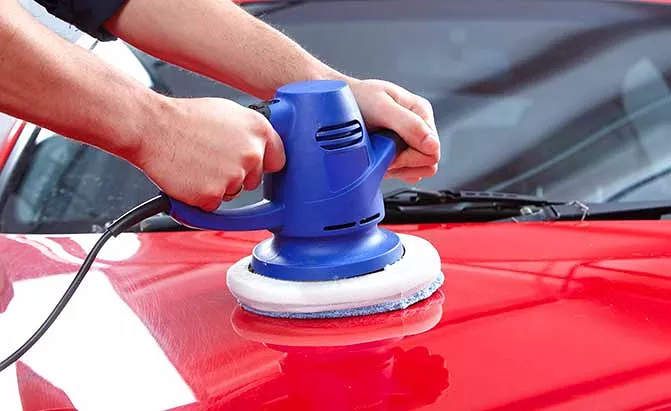
As the sap dries, it may create surface imperfections or even etch into the clear coat. In severe cases, removing the sap may require polishing or paint correction treatments.
Signs Your Car Has Tree Sap Damage
Many vehicle owners do not notice tree sap until the damage has already started.
Common signs include:
-
● Sticky spots on the paint
● Small raised bumps on the surface
● Dull patches in the paint
● Stains that remain after washing
● Rough texture when touching the paint
● Visible marks under sunlight
Identifying these signs early can help prevent further damage.
Why Regular Washing Is Not Always Enough
A common misconception is that a standard car wash can remove all tree sap.
Fresh sap may come off during a wash, but hardened sap often requires specialized cleaning techniques. Scrubbing aggressively can create scratches and swirl marks, making the situation worse.
Using the correct products and methods is important for safe removal.
Safe Ways to Remove Tree Sap
Use a Microfiber Cloth
A soft microfiber cloth helps reduce the risk of scratching the paint while cleaning.
Use Automotive Sap Removers
Specialized sap removal products are designed to break down tree sap safely without damaging the paint.
Act Quickly
The sooner sap is removed, the easier and safer the process becomes.
Avoid Sharp Tools
Never use blades, metal objects, or abrasive materials to scrape sap from the paint.
Wash the Area Thoroughly
After sap removal, clean the area properly to remove any remaining residue.
The Role of Paint Protection
One of the best ways to reduce the impact of tree sap is by protecting the paint surface before damage occurs.
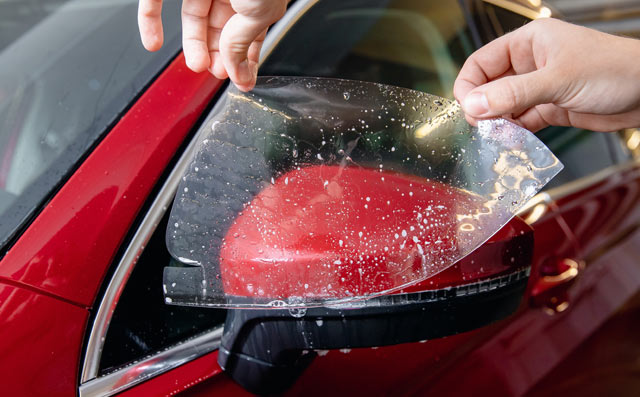
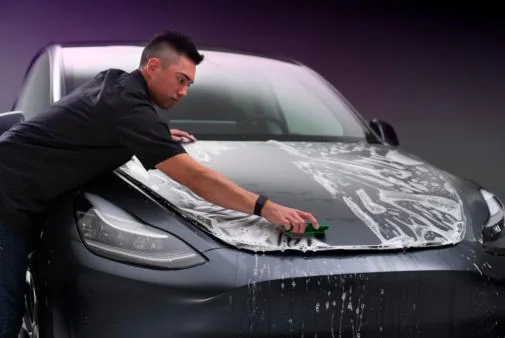
Protective solutions create a barrier between the paint and environmental contaminants. This makes sap easier to remove and reduces the chances of permanent staining.
Many vehicle owners hesitate to invest in protection because of information they read online. However, understanding the common myths about paint protection film can help drivers make informed decisions about protecting their vehicles.
How Paint Protection Film Helps
Paint Protection Film (PPF) provides an additional layer between the paint and external contaminants.
Benefits include:
-
● Protection against tree sap
● Reduced risk of staining
● Easier cleaning
● Protection from minor scratches
● Long-term paint preservation
Although no protection solution is completely maintenance-free, PPF can significantly reduce the effects of daily environmental exposure.
Other Ways to Prevent Tree Sap Damage
Choose Parking Carefully
Whenever possible, avoid parking directly beneath trees known to produce large amounts of sap.
Use Covered Parking
Garages and covered parking areas help protect vehicles from tree sap and other contaminants.
Use a Car Cover
If covered parking is unavailable, a quality car cover can provide additional protection.
Inspect Your Vehicle Regularly
Check your vehicle frequently for signs of sap buildup, especially after parking under trees.
Maintain Paint Protection
Regular maintenance helps ensure protective coatings and films continue performing effectively.
Common Mistakes Drivers Make
Many vehicle owners unintentionally worsen tree sap damage by:
-
● Ignoring sap spots for several days
● Scrubbing aggressively
● Using household cleaning products
● Scraping with hard objects
● Delaying professional treatment
Avoiding these mistakes can help preserve your vehicle's finish and reduce repair costs.
Why Professional Assistance Matters
Severe sap contamination often requires professional attention.
Experts use specialized products, equipment, and techniques to remove contaminants safely without damaging the paint. Professional services can also restore gloss and improve surface protection after sap removal.
Many vehicle owners looking for the best car care studio in Bangalore choose experienced professionals because proper treatment helps prevent long-term paint damage.
FAQs
- Can tree sap permanently damage my car's paint?
Yes. If tree sap is left on the surface for a long time, it can harden and etch into the clear coat, causing stains and paint damage that may require professional correction.
- How quickly should I remove tree sap from my car?
It is best to remove tree sap as soon as possible. Fresh sap is much easier to clean, while dried sap can bond strongly with the paint and become difficult to remove safely.
- Does a regular car wash remove tree sap?
A regular car wash may remove fresh sap, but hardened or baked-on sap often requires specialized cleaning products and techniques to prevent paint damage.
- What is the safest way to remove tree sap from a vehicle?
Using a microfiber cloth and an automotive sap remover is usually the safest method. Avoid scraping the surface with sharp objects or using harsh household chemicals.
- Can Paint Protection Film (PPF) help protect against tree sap?
Yes. Paint Protection Film creates a protective barrier between the paint and contaminants like tree sap, making cleanup easier and reducing the risk of permanent staining or paint damage.
Conclusion
Tree sap may seem like a minor inconvenience, but it can become a serious threat to your vehicle's appearance if left untreated. Bangalore's tree-lined streets provide welcome shade, but they also increase the risk of sap exposure for many drivers.
At 3M Car Care Studio Bangalore, we believe that prevention is always better than repair. Understanding how tree sap affects your vehicle allows you to take action before permanent damage occurs.
Regular inspections, proper cleaning techniques, and professional paint protection can help preserve your vehicle's shine and value. 3M Car Care Studio Bangalore offers solutions designed to protect vehicles from environmental contaminants while maintaining a showroom-quality finish.
For drivers who want long-lasting protection and professional care, 3M Car Care Studio Bangalore continues to provide trusted services that help keep vehicles looking their best throughout Bangalore's challenging driving conditions.
 +91 7353 60 5566
