
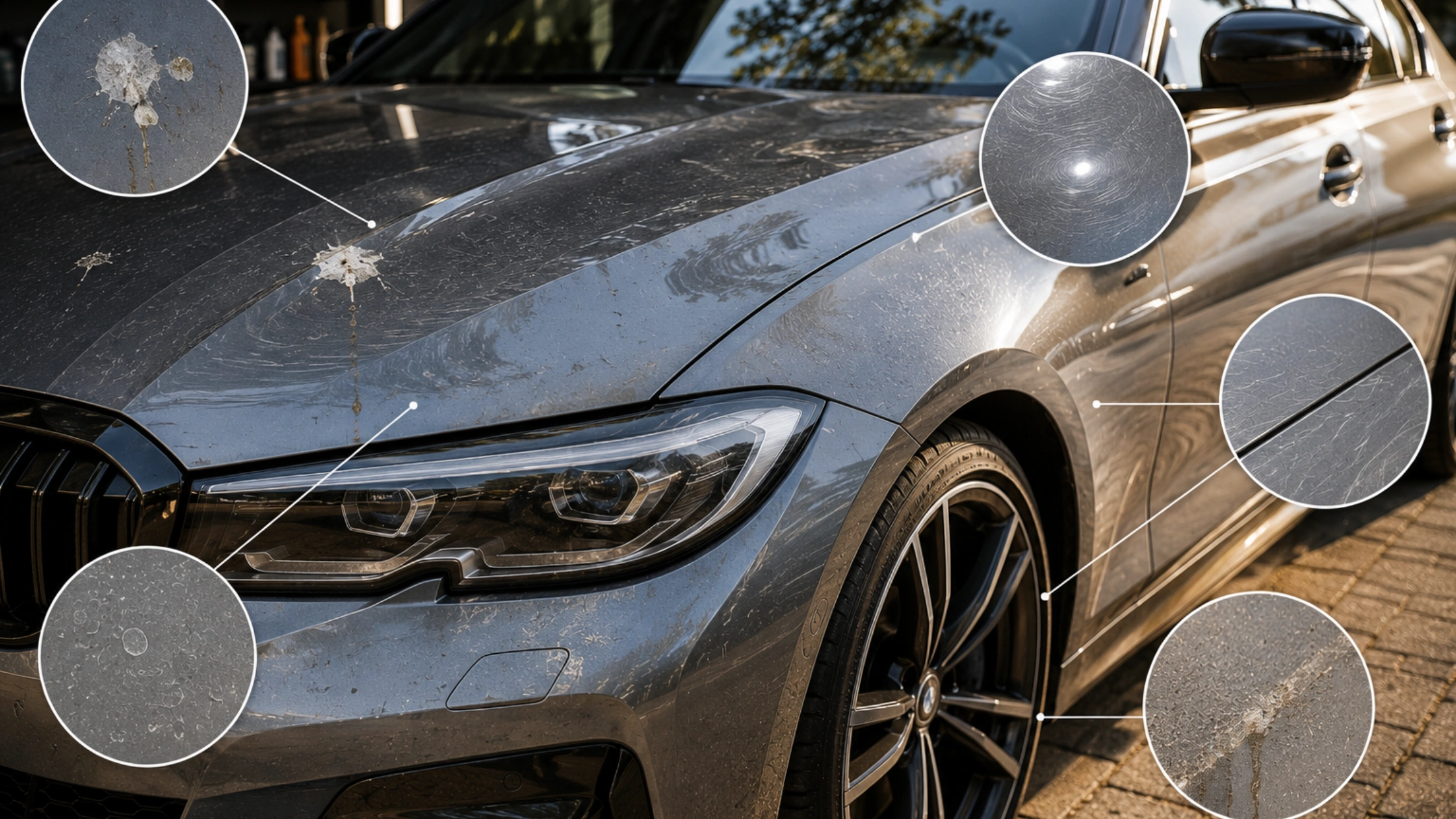
Your car's paint does much more than enhance its appearance—it acts as the first layer of protection against sunlight, rain, dust, pollution, bird droppings, tree sap, and road debris. Unfortunately, many car owners unknowingly develop habits that slowly damage this protective layer. These mistakes often go unnoticed until the paint starts losing its shine, develops swirl marks, fades unevenly, or even begins to peel.
Whether you drive a brand-new luxury sedan, a family SUV, or your daily commuter, protecting your vehicle's exterior should be part of regular maintenance. Small habits like using the wrong washing technique, parking under direct sunlight every day, or delaying the removal of bird droppings can significantly shorten the life of your car's paint.
Fortunately, most of these problems are preventable. By understanding what causes paint damage and following the right maintenance practices, you can preserve your vehicle's glossy finish for years.
If you're looking for Top Car Care Services in Bangalore, professional paint protection treatments combined with proper maintenance can help keep your vehicle looking showroom-new while preserving its resale value.
Table of Contents
● Washing Your Car with Household Detergent
● Ignoring Bird Droppings and Tree Sap
● Using Dirty or Rough Microfiber Towels
● Parking Under Direct Sunlight Every Day
● Skipping Regular Paint Protection
● Washing with Dirty Water
● Automatic Brush Car Washes
● Not Removing Road Contaminants
● Delaying Paint Correction
● Ignoring Professional Maintenance
Mistake 1: Washing Your Car with Household Detergent
One of the most common mistakes people make is washing their vehicles using household detergents, dishwashing liquids, or laundry soaps. While these products are effective at removing grease from kitchen utensils, they are far too harsh for automotive paint.
Car paint is protected by layers of wax, sealants, or ceramic coatings. Household detergents strip away these protective layers, leaving the paint exposed to UV rays, oxidation, water spots, and environmental contaminants.
Why This Damages Your Paint
● Removes protective wax layers
● Causes paint to lose its shine
● Accelerates oxidation
● Makes the surface rough
● Increases the risk of scratches
Over time, repeated use of harsh cleaning products causes the clear coat to deteriorate, making expensive paint correction necessary.
Better Alternative
Always use a pH-balanced automotive shampoo designed specifically for vehicle surfaces. These products safely remove dirt without affecting protective coatings.
For even better long-term protection, consider investing in Ceramic Coating Bangalore services. Ceramic coatings create a durable protective layer that resists chemicals, UV rays, dirt, and water while making future washing much easier.
Mistake 2: Ignoring Bird Droppings and Tree Sap
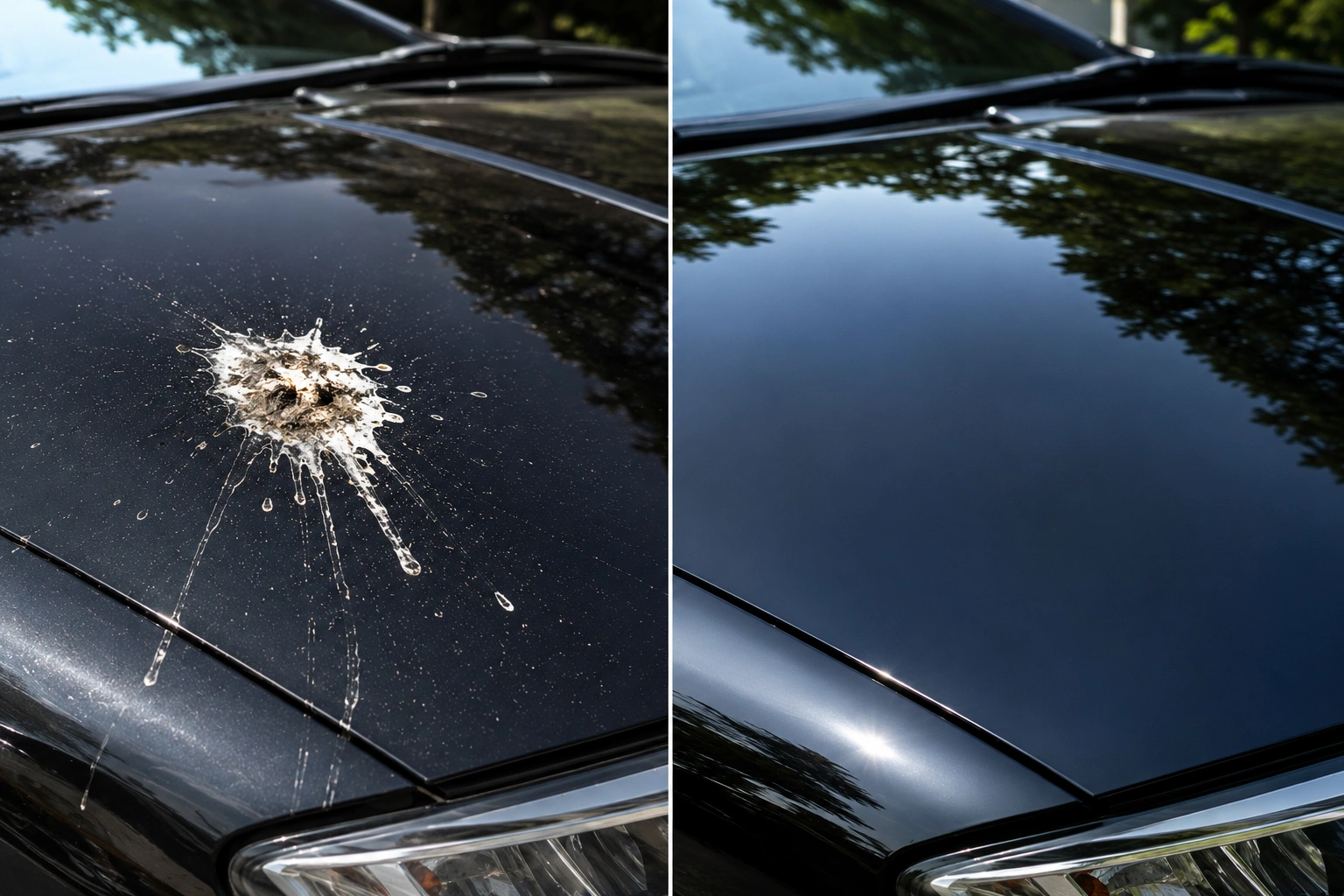
Bird droppings and tree sap may appear harmless, but they are among the most destructive contaminants your car's paint can encounter.
Bird droppings contain acidic compounds that begin reacting with your vehicle's clear coat within hours, especially during hot weather. Tree sap hardens over time and becomes increasingly difficult to remove without damaging the paint.
Leaving these contaminants on the surface for several days can result in permanent stains or etched marks that polishing alone cannot remove.
Common Sources
● Parking under trees
● Public parking lots
● Residential streets
● Outdoor events
● Apartment parking areas
Prevention Tips
● Remove contaminants immediately.
● Carry quick-detailing spray in your car.
● Wash affected areas gently.
● Avoid scraping hardened sap.
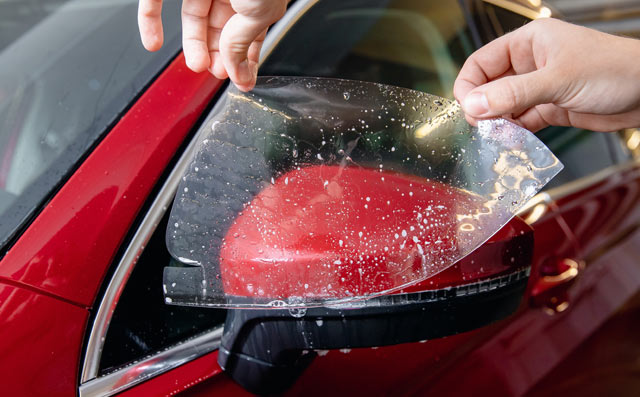
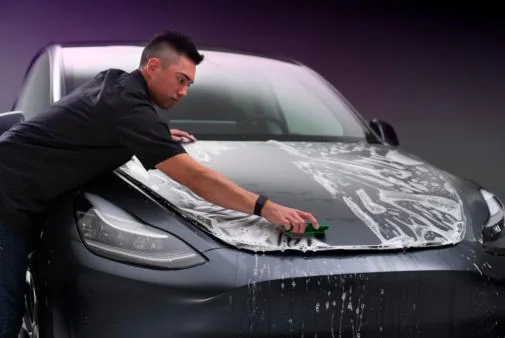
For vehicles frequently exposed to outdoor conditions, Paint Protection Film (PPF) provides an additional layer of defense by shielding vulnerable painted surfaces from environmental contaminants and minor scratches.
Mistake 3: Using Dirty or Rough Microfiber Towels
Many people believe that any microfiber towel is safe for car cleaning. In reality, even high-quality microfiber towels can damage paint if they are dirty, contaminated, or poorly maintained.
Tiny particles of dust, sand, or grit trapped within the fibers act like sandpaper every time you wipe your vehicle. Instead of cleaning the surface, these particles create fine scratches known as swirl marks.
These scratches become especially noticeable under direct sunlight or bright LED lighting, reducing your vehicle's overall appearance.
Warning Signs
● Circular swirl marks
● Fine scratches
● Reduced gloss
● Hazy reflections
● Uneven shine
Best Practices
● Wash microfiber towels separately.
● Replace worn-out towels regularly.
● Never place towels on the ground.
● Use separate towels for wheels and paint.
● Fold towels into clean sections while wiping.
Professional Car Detailing Services use premium microfiber materials, specialized washing methods, and safe drying techniques to minimize the risk of swirl marks while restoring your vehicle's finish.
Mistake 4: Parking Under Direct Sunlight Every Day
Parking your car in direct sunlight may seem unavoidable, especially if you don't have covered parking. However, prolonged exposure to UV rays is one of the biggest reasons your vehicle's paint loses its shine over time.
Ultraviolet (UV) radiation gradually breaks down the clear coat that protects your vehicle's paint. As the clear coat deteriorates, the color begins to fade, oxidation develops, and the surface becomes rough and dull. Dark-colored vehicles like black, blue, and red are particularly vulnerable because they absorb more heat than lighter colors.
Besides damaging the paint, excessive heat can also affect plastic trims, rubber seals, headlights, and even your car's interior.
Signs of UV Paint Damage
● Faded paint color
● Loss of gloss
● Chalky or dull finish
● Oxidation spots
● Cracked or peeling clear coat
How to Prevent UV Damage
● Park in covered parking whenever possible.
● Use a high-quality car cover if parking outdoors.
● Wash your car regularly to remove dust and contaminants.
● Apply protective coatings before summer.
● Avoid leaving your vehicle exposed for long hours every day.
If outdoor parking is unavoidable, investing in professional paint protection can significantly reduce long-term damage. A quality ceramic coating acts as a UV-resistant barrier, helping your vehicle retain its deep gloss and making routine maintenance much easier.
Mistake 5: Skipping Regular Paint Protection
Many car owners believe that buying a new car means the factory paint will stay glossy for years without additional protection. Unfortunately, that's not how automotive paint works.
Every day, your vehicle is exposed to dust, pollution, rainwater, industrial fallout, bird droppings, insect residue, road tar, and harmful UV rays. Without a protective layer, these contaminants slowly attack the clear coat, causing irreversible damage.
Regular paint protection is not just about making your car look attractive—it also helps preserve the vehicle's value and reduces the need for costly repainting or paint correction in the future.
Benefits of Regular Paint Protection
|
Without Paint Protection |
With Professional Paint Protection |
|
Paint fades faster |
Long-lasting gloss |
|
More scratches and swirl marks |
Better scratch resistance |
|
Difficult to clean |
Easier maintenance |
|
Water spots stick easily |
Hydrophobic water-beading effect |
|
Higher maintenance costs |
Lower long-term maintenance |
Professional protection treatments create a durable barrier against everyday contaminants, making washing easier while preserving your vehicle's finish.
If you're unsure which solution is right for your vehicle, exploring the Top Car Care Services in Bangalore can help you compare professional options based on your driving habits, parking conditions, and maintenance goals.
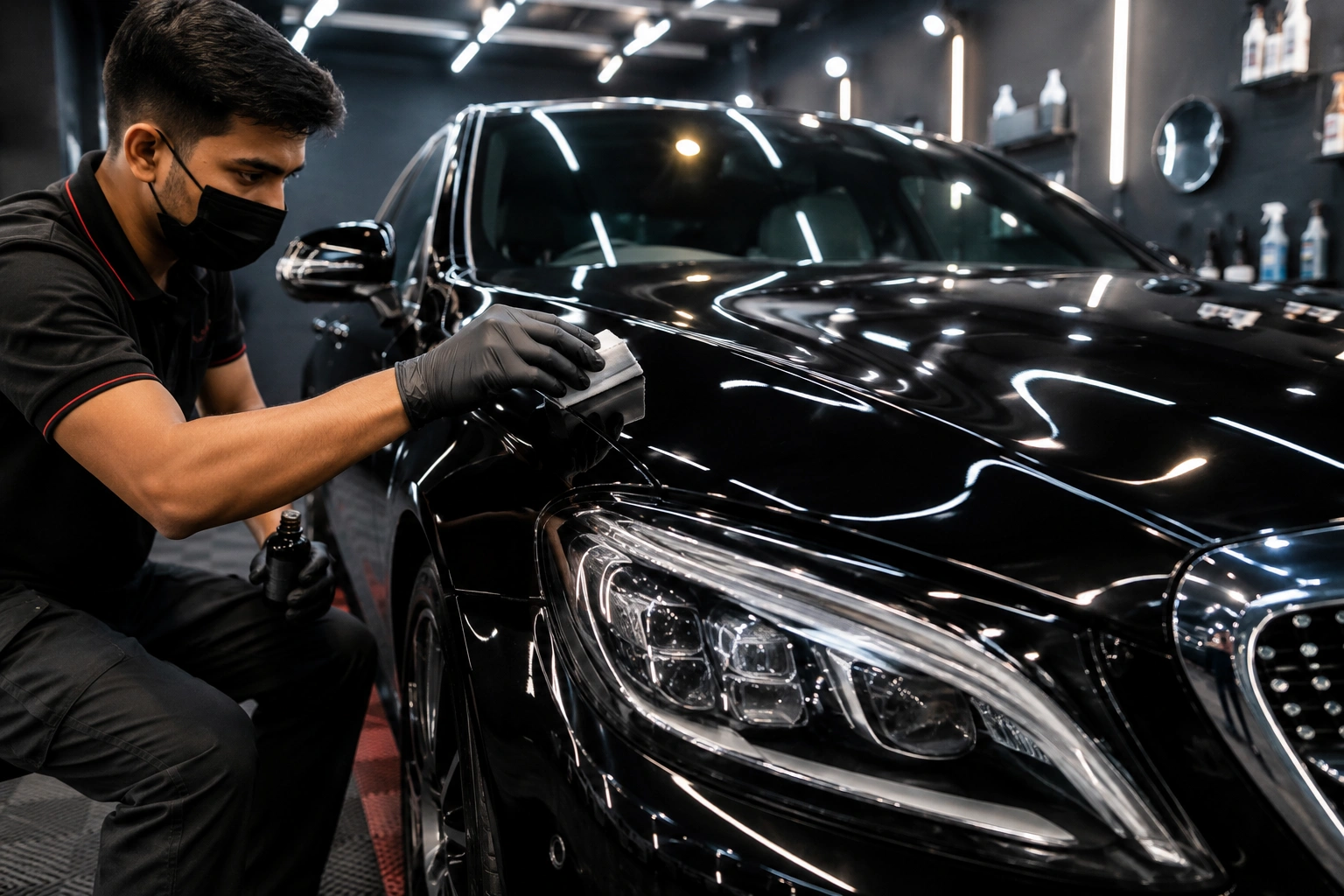
Why Professional Car Paint Maintenance Matters
Many paint problems don't happen overnight. They develop gradually through repeated exposure to harsh environmental conditions and improper maintenance habits. What begins as minor swirl marks or faded paint can eventually lead to oxidation, permanent stains, or expensive repainting.
Routine professional inspections can identify these issues early, allowing them to be corrected before they become severe. Preventive maintenance not only keeps your vehicle looking its best but also protects its resale value over the long term.
If your vehicle has already started showing signs of fading, scratches, or loss of gloss, don't wait until the damage becomes permanent. Contact 3M Car Care Studios to schedule a professional paint inspection and receive expert recommendations tailored to your vehicle's condition.
Mistake 6: Washing Your Car with Dirty Water
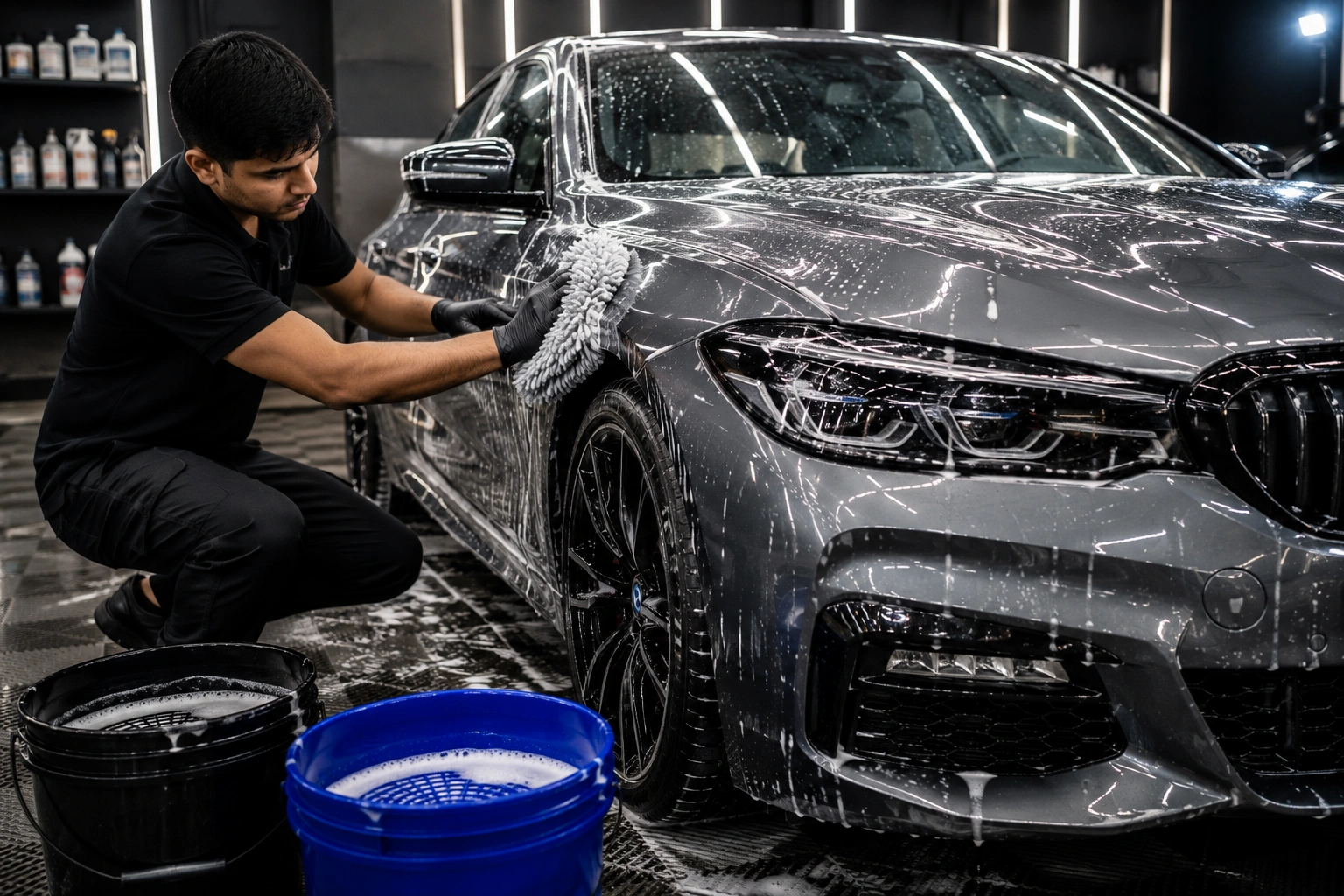
Many people spend time washing their car but unknowingly use dirty water throughout the process. As dirt, sand, and tiny debris accumulate in the wash bucket, every dip of the sponge or wash mitt picks up abrasive particles. Instead of cleaning the paint, these particles are dragged across the surface, creating fine scratches and swirl marks.
Over time, repeated washing with contaminated water dulls the paint's finish and reduces its clarity. While the damage may not be obvious immediately, it becomes noticeable under sunlight or bright lighting.
Common Mistakes
● Using only one bucket for washing.
● Reusing dirty wash water.
● Washing the dirtiest areas first.
● Using the same sponge for the entire vehicle.
● Skipping a thorough rinse before washing.
The Right Washing Technique
Professional detailers recommend the two-bucket wash method—one bucket with clean shampoo solution and another with clean rinse water. This helps remove dirt from the wash mitt before it touches the paint again, significantly reducing the chances of scratches.
For even better results:
● Pre-rinse the vehicle to remove loose dirt.
● Use a microfiber wash mitt instead of a sponge.
● Wash from the roof downward.
● Dry the vehicle using clean microfiber drying towels.
These simple techniques can dramatically extend the life of your car's paint.
Mistake 7: Using Automatic Brush Car Washes
Automatic car washes may save time, but traditional brush-based systems can do more harm than good. The rotating brushes often trap dirt, sand, and debris from previously washed vehicles. As those brushes spin against your car, they create thousands of microscopic scratches known as swirl marks.
Although these marks may appear minor at first, they accumulate over time and reduce the gloss of your vehicle's paint.
Why Brush Car Washes Cause Damage
● Dirty rotating brushes scratch the paint.
● Hard bristles wear down the clear coat.
● Existing ceramic coatings and wax layers can deteriorate faster.
● Swirl marks become more visible after every wash.
Touchless car washes are generally safer, but they still cannot replace proper hand washing using safe detailing techniques.
If you're wondering whether your regular car wash is harming your vehicle, read our detailed guide on Are Automatic Car Washes Really Safe? to understand the differences between brush, touchless, and professional hand washing methods.
Better Alternative
Professional hand washing performed by trained technicians minimizes paint contact while safely removing contaminants. Combined with regular maintenance, this helps preserve your vehicle's finish for years.
Mistake 8: Ignoring Road Tar, Bug Splatter, and Industrial Fallout
Many contaminants don't simply sit on your car—they actively bond with the paint surface.
Road tar, bug splatter, brake dust, tree sap, industrial fallout, and iron particles gradually penetrate the clear coat if left untreated. These contaminants become increasingly difficult to remove with normal washing and may require professional decontamination.
Harmful Contaminants Include
● Road tar
● Bug residue
● Brake dust
● Industrial fallout
● Iron particles
● Tree sap
Prevention Tips
● Wash your vehicle regularly.
● Remove bug splatter immediately.
● Use iron-removal products periodically.
● Apply protective coatings.
● Schedule seasonal decontamination treatments.
Regular maintenance prevents contaminants from permanently bonding to your paint.
Mistake 9: Delaying Paint Correction
Many vehicle owners ignore minor scratches and swirl marks because they seem insignificant. However, these imperfections gradually become more noticeable and can eventually require extensive restoration.
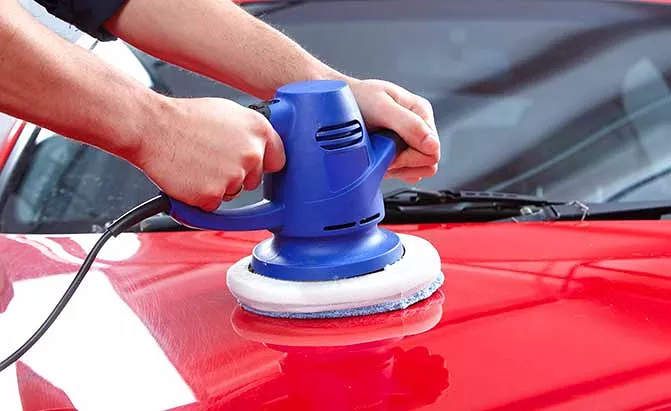
Paint correction is a specialized process that removes defects from the clear coat through controlled machine polishing. When performed early, it restores gloss while preserving more of the original paint.
Signs Your Vehicle Needs Paint Correction
● Swirl marks under sunlight.
● Fine scratches.
● Water spot etching.
●
● Dull reflections.
Waiting too long often allows defects to deepen, making restoration more difficult and expensive.
Mistake 10: Neglecting Professional Maintenance
Even if you wash your vehicle regularly, professional inspections remain essential. Experts can identify early signs of paint deterioration before they become serious problems.
Routine detailing helps maintain protective coatings, remove bonded contaminants, and restore lost gloss. It also extends the lifespan of your paint protection system.
Professional maintenance typically includes:
● Safe exterior washing
● Paint inspection
● Decontamination
● Surface polishing (if required)
● Protective coating maintenance
● Interior and exterior detailing
Consistent care not only keeps your vehicle looking newer but also helps preserve its resale value.
Expert Tips to Keep Your Car's Paint Looking New
● Wash your car every one to two weeks using automotive shampoo.
● Always use clean microfiber towels and wash mitts.
● Avoid wiping dry dust from the paint.
● Remove bird droppings and tree sap immediately.
● Park in shaded or covered areas whenever possible.
● Apply professional paint protection for long-term durability.
● Schedule regular detailing inspections to catch minor issues early.
Quick Paint Protection Checklist
✔ Use pH-balanced car shampoo
✔ Wash with the two-bucket method
✔ Dry using microfiber towels
✔ Remove contaminants
immediately
✔ Avoid brush car washes
✔ Park in shaded
areas
✔ Protect paint with professional coatings
✔ Schedule
regular detailing
Frequently Asked Questions
1. What damages car paint the fastest?
Bird droppings, tree sap, UV rays, harsh detergents, and improper washing techniques are among the leading causes of paint damage.
2. How often should I wash my car?
Generally, washing every one to two weeks helps remove contaminants before they can affect the paint.
3. Does sunlight permanently damage car paint?
Prolonged UV exposure can fade paint, cause oxidation, and weaken the clear coat over time.
4. Is ceramic coating worth it?
Yes. A professionally applied ceramic coating adds a durable protective layer that resists dirt, UV rays, and water while making maintenance easier.
5. Can swirl marks be removed?
Most swirl marks can be corrected through professional paint correction, depending on their depth.
6. Is Paint Protection Film better than ceramic coating?
Both serve different purposes. PPF offers superior protection against stone chips and physical impacts, while ceramic coating enhances gloss and simplifies maintenance.
7. Should I avoid automatic car washes?
Traditional brush-based automatic car washes can create swirl marks. Professional hand washing is generally the safer option.
8. How can I tell if my paint needs protection?
If water no longer beads on the surface, the paint looks dull, or contaminants stick easily, it's a good time to consider professional protection.
9. Does regular detailing improve resale value?
Yes. A well-maintained exterior makes a vehicle more attractive to buyers and helps preserve its market value.
10. When should I visit a professional detailing studio?
If you notice fading, scratches, swirl marks, oxidation, or simply want long-term protection, scheduling a professional inspection is recommended.
Conclusion
Your vehicle's paint is constantly exposed to environmental hazards and everyday wear, but many of the most damaging habits are entirely preventable. Simple changes—such as using the right washing techniques, removing contaminants promptly, avoiding brush car washes, and investing in professional protection—can significantly extend the life of your paint and keep your car looking its best.
Taking a proactive approach today can save you from expensive paint repairs in the future while preserving both your vehicle's appearance and resale value.
Ready to Protect Your Car's Paint?
Whether your vehicle needs paint correction, long-lasting ceramic coating, premium paint protection film, or complete detailing, Contact 3M Car Care Studios today. Our experienced team uses professional-grade products and proven techniques to help keep your car looking showroom-new for years to come. Book your appointment and give your vehicle the protection it deserves.
 +91 7353 60 5566
