
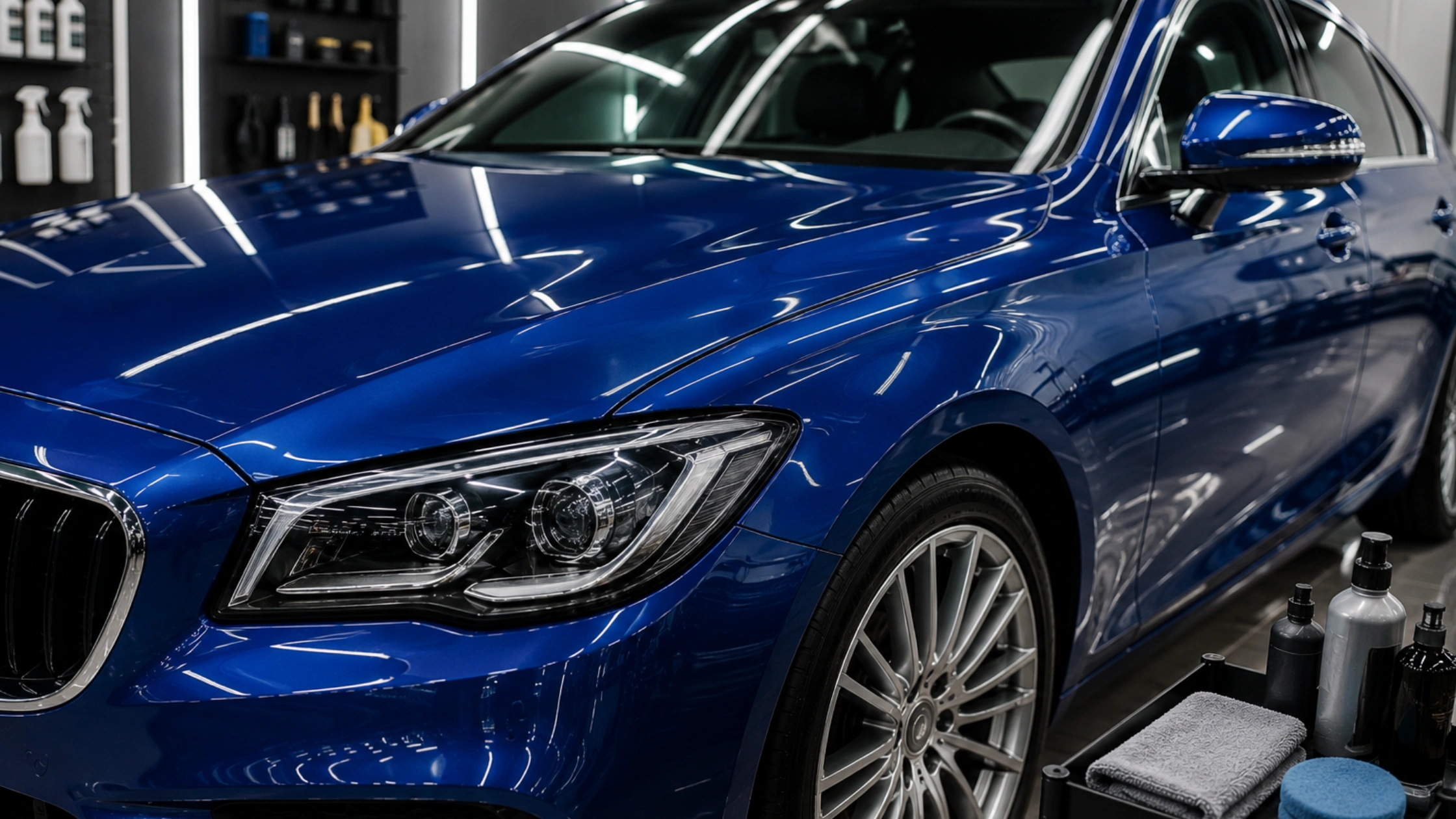
Your car's paint does much more than enhance its appearance—it serves as the first line of defense against sunlight, dust, rain, road debris, pollution, and countless environmental contaminants. Every time you drive or park your vehicle outdoors, the paint is exposed to conditions that gradually reduce its shine and weaken its protective finish.
Many vehicle owners believe paint damage only occurs after an accident or major scratch. In reality, the deterioration begins much earlier through everyday exposure. Ultraviolet (UV) rays slowly fade the color, airborne contaminants settle on the surface, bird droppings and tree sap can stain the clear coat, and improper washing techniques create fine swirl marks that become more noticeable over time.
Fortunately, protecting your car's paint doesn't require complicated routines. By understanding what causes paint damage and following the right maintenance practices, you can preserve your vehicle's appearance, extend the life of its finish, and reduce long-term repair costs.
Whether you own a brand-new car or want to restore the appearance of an older vehicle, this guide explains practical ways to protect your paint from daily damage while helping you choose the most effective long-term protection solutions.
Table of Contents
● Why Your Car's Paint Needs Protection
● Common Causes of Daily Paint Damage
● How Daily Driving Affects Your Vehicle's Paint
● Signs Your Car's Paint Is Losing Protection
● Simple Ways to Protect Your Car's Paint
● Why Proper Washing Matters
● Choosing the Right Paint Protection
● Ceramic Coating vs Traditional Wax
● Professional Paint Protection Solutions
● Maintenance Tips for Long-Lasting Shine
● Frequently Asked Questions
● Conclusion
Why Your Car's Paint Needs Protection
Automotive paint consists of multiple layers designed to protect the metal body while giving your vehicle its attractive finish. The outermost clear coat provides gloss and acts as a barrier against environmental exposure.
Although modern automotive paints are highly durable, they are not immune to daily wear. Every drive exposes your vehicle to dust, road grime, sunlight, insects, moisture, and airborne pollutants. Over time, these elements gradually wear down the clear coat, making the paint appear dull, faded, or scratched.
Ignoring these early signs often leads to costly paint correction or repainting in the future.
Protecting your car's paint is about more than just keeping it looking good. A well-maintained exterior also helps preserve resale value, reduces maintenance costs, and keeps your vehicle looking newer for longer.
Common Causes of Daily Paint Damage
Many sources of paint damage are unavoidable, but understanding them allows you to minimize their impact.
Sunlight and UV Rays
Continuous exposure to sunlight is one of the leading causes of paint deterioration.
Ultraviolet rays gradually:
● Fade paint color
● Dry out the clear coat
● Reduce gloss
● Accelerate oxidation
Vehicles parked outdoors for long periods experience faster paint degradation than those kept in covered parking.
Dust and Air Pollution
Dust particles may appear harmless, but they often contain fine minerals and pollutants that can scratch the paint when wiped improperly.
Industrial pollution and airborne contaminants can also settle on the surface, making regular cleaning essential for maintaining a smooth finish.
Bird Droppings
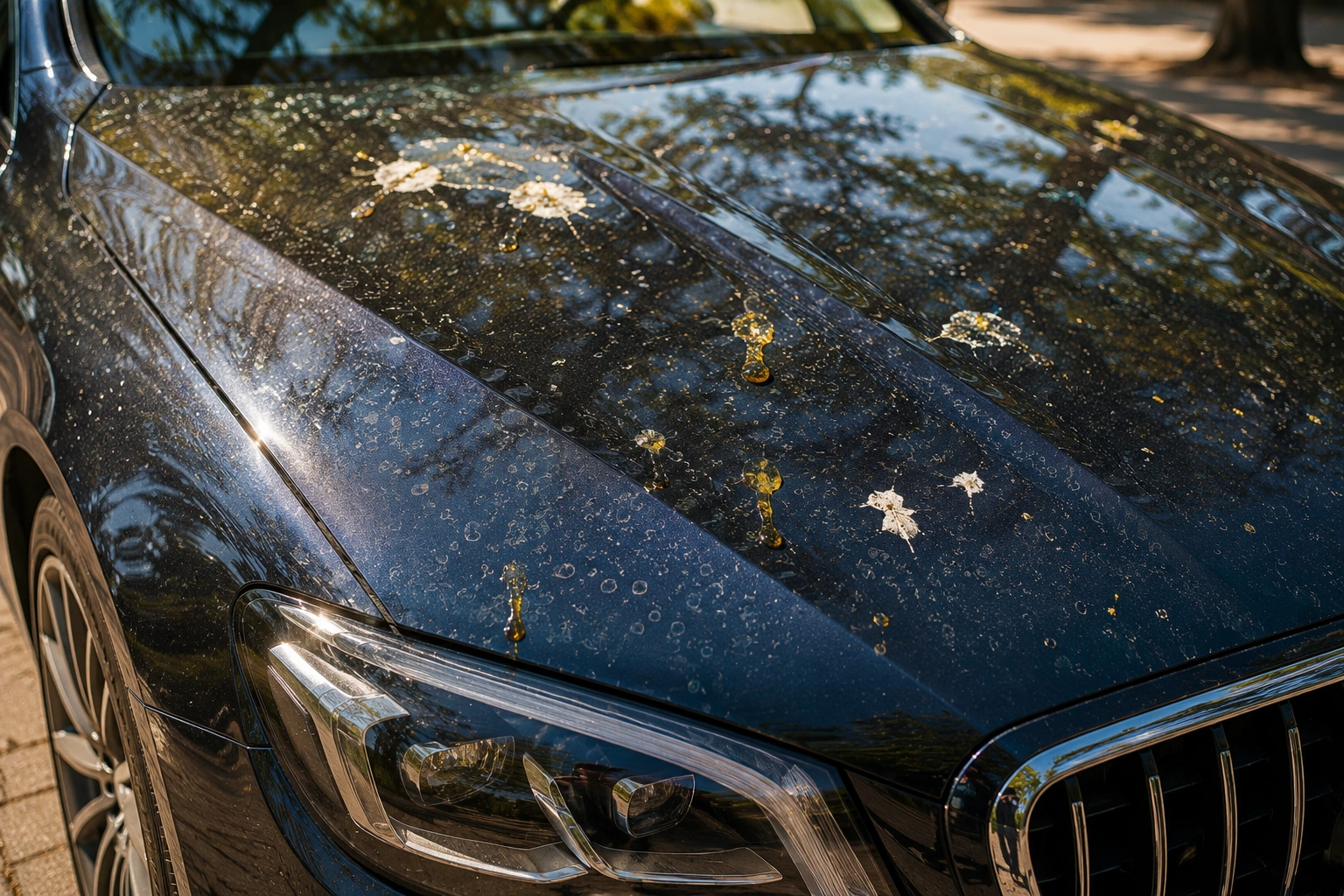
Bird droppings contain acidic compounds that begin reacting with automotive paint within a short time.
If left unattended, they may permanently etch the clear coat.
Removing them promptly helps prevent lasting damage.
Tree Sap
Parking beneath trees offers shade but introduces another common problem—tree sap.
Sap hardens quickly and bonds tightly to the paint, making removal difficult without proper techniques.
Attempting to scrape hardened sap may create scratches or damage the clear coat.
Road Debris
Loose gravel, sand, and small stones kicked up by surrounding traffic can strike your vehicle while driving.
Repeated exposure gradually creates tiny chips that become entry points for moisture and corrosion.
Hard Water Spots
Water left to dry naturally often contains minerals that remain on the paint surface.
Over time, these deposits become stubborn stains that reduce gloss and require professional correction if ignored.
How Daily Driving Affects Your Vehicle's Paint
Every journey exposes your vehicle to conditions that slowly reduce its appearance.
Daily commuting often means driving through:
● Heavy traffic
● Construction zones
● Dusty roads
● Rainwater
● Mud
● Industrial areas
These conditions constantly expose the paint to contaminants that accumulate throughout the day.
Even opening and closing doors in crowded parking lots increases the risk of minor scratches and paint damage.
This is why consistent care is more effective than waiting until visible problems appear.
Signs Your Car's Paint Is Losing Protection
Many people don't notice paint damage until it becomes obvious.
Watch for these early warning signs:
● Water no longer beads on the surface
● The paint feels rough after washing
● Swirl marks become more visible
● Loss of shine
● Small scratches appear easily
● Oxidation around the bonnet or roof
● Water spots remain after cleaning
● Paint appears dull under sunlight
Recognizing these symptoms early allows you to take preventive action before the damage becomes more expensive to repair.
Simple Daily Habits That Protect Your Car's Paint
Keeping your vehicle's paint in excellent condition starts with small but consistent habits.
Wash Your Vehicle Regularly
Regular washing removes dirt, road salt, bird droppings, pollen, and contaminants before they have time to damage the clear coat.
For most vehicles, washing every one to two weeks is sufficient, although cars driven daily or parked outdoors may benefit from more frequent cleaning.
Use Proper Washing Techniques
Improper washing techniques are one of the leading causes of swirl marks and fine scratches on your car's paint.
Instead of using household detergents or rough cloths:
● Use a pH-neutral car shampoo.
● Wash with a microfiber mitt.
● Follow the two-bucket washing method.
● Dry using clean microfiber towels.
These practices reduce friction and help preserve the finish.
Avoid Automatic Brush Car Washes
Many automatic brush systems use abrasive bristles that can leave fine scratches on your paint.
Touchless or hand washing methods are generally safer for maintaining a glossy finish.
Park Smart Whenever Possible
Parking in covered areas protects your vehicle from prolonged sun exposure, bird droppings, tree sap, and falling debris.
Whenever shaded parking is unavailable, using a high-quality car cover can provide additional protection.
Remove Contaminants Quickly
Bird droppings, insect residue, and tree sap should never remain on your vehicle for long periods.
The longer these contaminants stay on the surface, the greater the chance of permanent staining or etching.
If your vehicle is frequently parked under trees, our guide on How Window Films Reduce Heat Inside Your Car also explains how reducing cabin temperatures helps protect your vehicle's interior during prolonged outdoor parking while complementing overall exterior care.
The Importance of Routine Vehicle Care
Paint protection isn't just about preserving your car's appearance—it should be part of a complete maintenance routine.
Regular car maintenance Bangalore helps identify small exterior issues before they become major repairs. Professional inspections, proper washing techniques, and timely detailing all contribute to maintaining both your vehicle's finish and its long-term value.
Why Professional Paint Protection Makes a Difference
Daily care is essential, but routine washing alone cannot provide complete protection against UV rays, oxidation, road contaminants, and environmental pollutants.
Professional paint protection solutions create an additional barrier that helps reduce everyday wear while preserving gloss and making maintenance easier.
In the next section, we'll compare the most effective paint protection options, explain how to choose the right solution for your vehicle, and discuss professional services that deliver long-lasting results.
Choose the Right Paint Protection for Long-Term Results
Regular washing and proper parking habits help minimize paint damage, but they cannot fully protect your vehicle from UV rays, chemical contaminants, road grime, and daily wear. Adding a protective layer is one of the most effective ways to preserve your car's finish and reduce maintenance over time.
Here are the most common paint protection options available.
Ceramic Coating
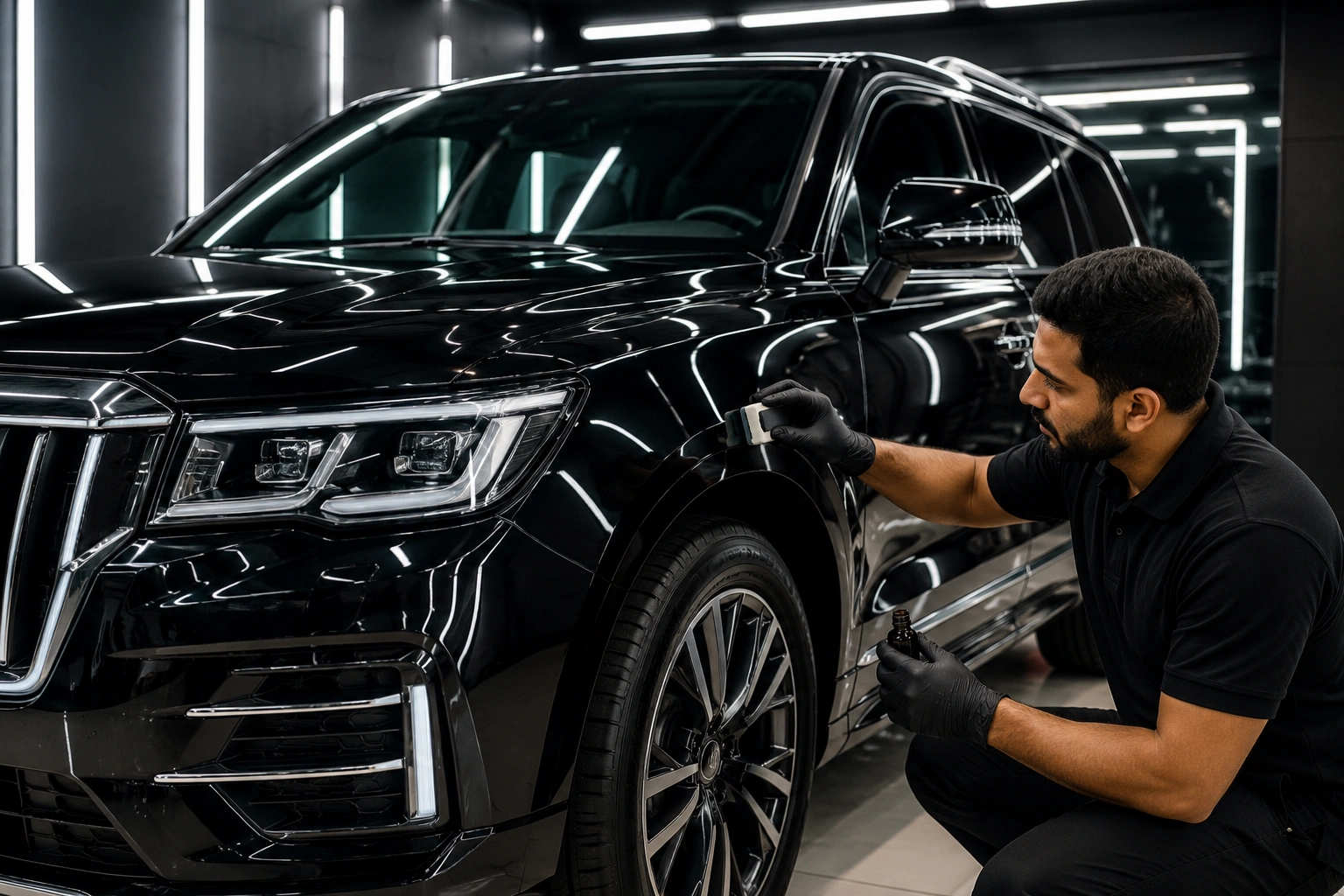
Ceramic coating forms a durable protective layer by bonding with your vehicle's factory paint. Unlike traditional wax, it offers long-lasting protection while enhancing gloss and making routine maintenance easier.
Its key benefits include:
● Long-lasting paint protection
● Hydrophobic water-beading effect
● UV resistance
● Protection against oxidation
● Easier cleaning
● Enhanced gloss
● Reduced risk of minor swirl marks
If you're searching for the best ceramic coating for cars, choose a professional-grade coating applied by experienced technicians. Proper surface preparation and application play a significant role in the coating's durability and overall performance.
Traditional Car Wax
Wax provides a temporary layer of protection and improves shine, but it wears off much faster than ceramic coating.
While it's suitable for short-term paint care, frequent reapplication is necessary to maintain its effectiveness.
Paint Protection Film (PPF)
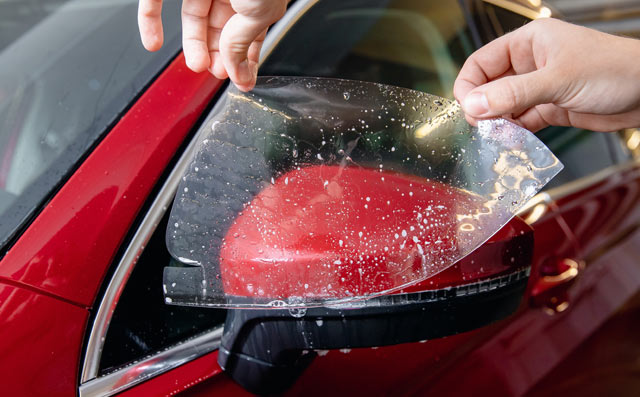
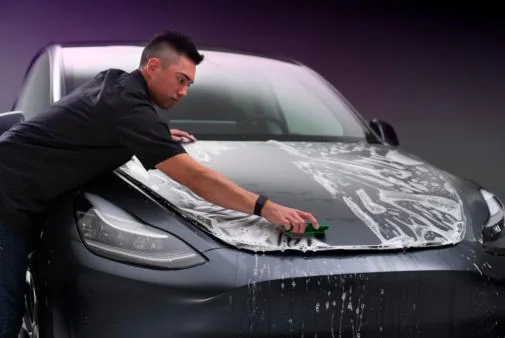
Paint Protection Film is a transparent urethane film installed over painted surfaces to protect against stone chips, road debris, and deeper scratches.
Unlike ceramic coating, PPF offers physical impact resistance, making it ideal for high-risk areas such as the front bumper, bonnet, mirrors, and fenders.
Many vehicle owners combine ceramic coating with PPF for maximum exterior protection.
Ceramic Coating vs Wax vs Paint Protection Film
|
Feature |
Ceramic Coating |
Car Wax |
Paint Protection Film |
|
Lifespan |
3–7 Years |
2–4 Months |
5–10 Years |
|
Gloss Enhancement |
Excellent |
Good |
Excellent |
|
UV Protection |
Excellent |
Moderate |
Excellent |
|
Water Repellency |
Excellent |
Good |
Excellent |
|
Chemical Resistance |
Excellent |
Moderate |
Excellent |
|
Scratch Resistance |
Moderate |
Low |
Excellent |
|
Stone Chip Protection |
No |
No |
Yes |
|
Maintenance |
Low |
High |
Low |
The right choice depends on your driving habits, parking conditions, and the level of protection you expect from your vehicle.
Why Professional Paint Protection Delivers Better Results
Many people attempt to protect their car's paint using over-the-counter products, but professional detailing provides a much higher level of care.
Experienced technicians follow a detailed process that includes:
● Deep exterior washing
● Iron and tar removal
● Clay bar decontamination
● Paint inspection
● Paint correction (if required)
● Surface preparation
● Professional application
● Quality inspection
Every step improves the durability and appearance of the protective coating.
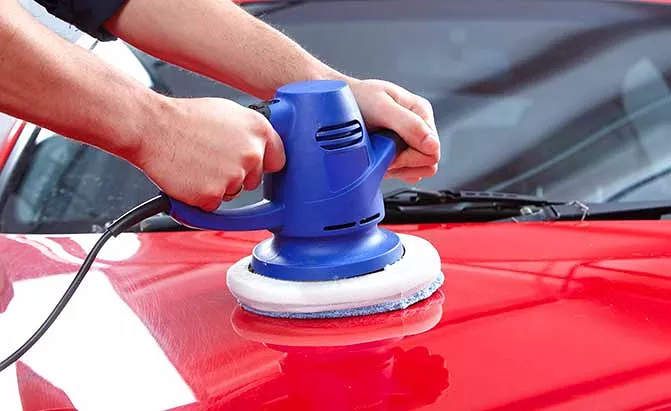
Professional Car Polishing Restores Your Paint
Even with careful maintenance, your vehicle's paint gradually develops fine scratches, oxidation, and dullness.
Professional car polishing services Bangalore help restore clarity by removing minor imperfections from the clear coat before applying paint protection.
Benefits include:
● Improved paint gloss
● Better color depth
● Removal of light swirl marks
● Enhanced reflection
● Better bonding for ceramic coating
● Restored showroom finish
Polishing is especially beneficial before applying ceramic coating because it creates a cleaner and smoother surface for the protective layer to bond with.
Don't Overlook Interior Maintenance
Protecting your vehicle isn't limited to the exterior.
Dust, pollen, bacteria, and airborne contaminants gradually accumulate inside your vehicle's ventilation system, reducing air quality and affecting cabin comfort.
Professional car air duct cleaning removes contaminants from the HVAC system, improves airflow, and creates a healthier interior environment, especially for families and daily commuters.
Combining exterior paint protection with interior maintenance helps preserve your vehicle inside and out.
Complete Vehicle Protection Goes Beyond Paint
Protecting your car's paint is important, but reducing heat and UV exposure inside the cabin is equally essential.
Installing premium window films helps lower cabin temperatures, reduce glare, protect interior surfaces from fading, and improve driving comfort.
Choosing the best car service in Bangalore allows you to access multiple professional solutions—from paint protection and detailing to window films and interior care—all under one roof.
Expert Tips to Keep Your Car's Paint Looking New
Following a few simple habits can significantly extend the life of your vehicle's finish:
● Wash your car every one to two weeks using a pH-neutral shampoo.
● Always use clean microfiber towels for washing and drying.
● Remove bird droppings and tree sap as soon as possible.
● Avoid automatic brush car washes.
● Park in covered or shaded areas whenever possible.
● Schedule professional detailing at regular intervals.
● Apply a high-quality paint protection solution.
● Inspect your paint regularly for early signs of damage.
● Avoid wiping dust from a dry surface.
● Use dedicated automotive cleaning products instead of household detergents.
Consistent care is the most effective way to preserve your vehicle's appearance and reduce long-term maintenance costs.
Frequently Asked Questions
1. What damages a car's paint the most?
UV rays, bird droppings, tree sap, road debris, pollution, hard water spots, and improper washing techniques are among the most common causes of paint damage.
2. How often should I wash my car?
For most vehicles, washing every one to two weeks helps remove contaminants before they damage the paint.
3. Is ceramic coating better than car wax?
Yes. Ceramic coating lasts much longer, provides better protection, and requires less maintenance than traditional wax.
4. Can ceramic coating prevent scratches?
It helps reduce minor swirl marks and light abrasions but cannot prevent deep scratches or stone chips.
5. Does polishing remove scratches?
Professional polishing removes light surface scratches and swirl marks, but deeper scratches may require paint correction or refinishing.
6. Is Paint Protection Film better than ceramic coating?
Both serve different purposes. Ceramic coating improves gloss and chemical resistance, while Paint Protection Film offers better protection against physical impacts and stone chips.
7. Can sunlight damage car paint?
Yes. Prolonged UV exposure gradually fades paint, reduces gloss, and accelerates oxidation.
8. How can I prevent water spots?
Dry your vehicle with a clean microfiber towel after washing and avoid allowing mineral-rich water to dry naturally on the surface.
9. Does regular detailing help protect paint?
Yes. Professional detailing removes contaminants, restores shine, and prepares the paint for protective treatments that extend its lifespan.
10. Is professional paint protection worth the investment?
For most vehicle owners, professional paint protection offers better durability, easier maintenance, and long-term preservation of the vehicle's appearance.
Conclusion
Your vehicle's paint is constantly exposed to sunlight, dust, pollution, bird droppings, road debris, and countless environmental contaminants that gradually reduce its shine and weaken its protective finish. While these everyday hazards cannot always be avoided, following the right maintenance routine and investing in professional paint protection can significantly reduce long-term damage.
Simple habits such as regular washing, proper drying techniques, timely removal of contaminants, and scheduled detailing help preserve your vehicle's appearance. For even greater protection, professional solutions like ceramic coating, paint polishing, and Paint Protection Film provide long-lasting defense against daily wear while maintaining a deep, glossy finish.
Protecting your car's paint today not only enhances its appearance but also helps preserve its value, reduces maintenance costs, and keeps it looking newer for years to come.
Protect Your Vehicle with 3M Car Care Studios
Every vehicle deserves professional care that goes beyond a basic wash. At 3M Car Care Studios, we offer advanced paint protection solutions, ceramic coating, paint polishing, detailing, window films, and complete vehicle care designed to keep your car in exceptional condition.
Whether you want to restore your vehicle's shine or protect a brand-new car from daily damage, our experienced technicians use premium products and industry-proven techniques to deliver lasting results.
Contact 3M Car Care Studios today to schedule your consultation and discover how our professional vehicle protection services can help keep your car looking its best for years to come.
 +91 7353 60 5566
